
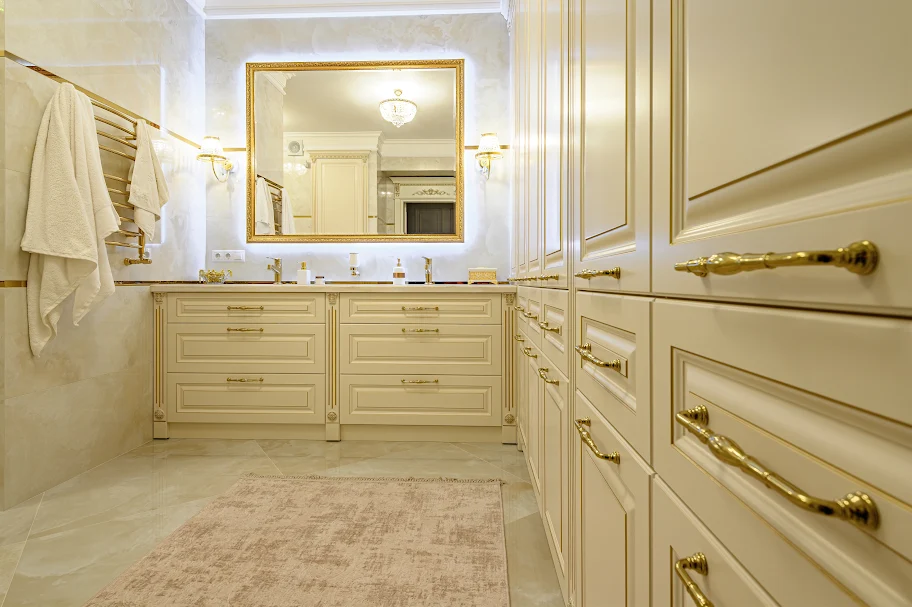
Embarking on a bathroom remodeling project brings a wave of exciting design choices, but none are more critical than selecting the right materials for your high-moisture zones. The bathroom environment is notoriously harsh, characterized by dramatic swings in humidity, direct water splashes, and lingering steam. Choosing a wood bathroom vanity or building a custom diy bathroom cabinet requires a deep understanding of how different lumber species react to moisture. By selecting a stable, water-resistant wood type, you ensure your cabinetry remains structurally sound, warp-free, and stunningly beautiful for decades to come.
Why Wood Selection Matters in the Bathroom
Using wood in a space constantly exposed to water can be challenging, but the unique warmth, grain patterns, and organic texture it introduces are unmatched by synthetic alternatives. Selecting the wrong material can lead to swelling, mold growth, and structural failure.
Opting for the best wood for bathroom vanity builds provides several long-term benefits:
- Prevents structural warping, twisting, and wood expansion caused by high humidity.
- Resists rot, decay, and fungal growth in poorly ventilated spaces.
- Showcases gorgeous, authentic grain patterns that elevate the room’s aesthetic.
- Provides a durable, solid core capable of supporting heavy stone or quartz countertops.
- Allows for easy refinishing, staining, or painting if your design tastes change later.
Top Wood Types for Solid Wood Cabinets for Bathroom Use
When engineering durable wood cabinets for bathroom environments, professional cabinet makers rely on specific hardwoods known for their tight grain structures and natural oils. These premium bathroom vanities stand up to everyday wear and tear while offering incredible stability.
Consider these top-tier wood species for your next vanity project:
- Teak: The gold standard for moisture resistance. Teak contains high levels of natural oils and rubber, making it virtually impervious to water damage, warping, and rot.
- Oak (White Oak): Highly favored for creating a modern light wood vanity. Unlike Red Oak, White Oak has a closed-pore structure filled with tyloses, which naturally repels water and prevents deep rot.
- Maple: An incredibly hard, dense wood with a smooth, uniform grain. Maple is highly stable and serves as the perfect canvas if you plan to paint or apply a solid stain to your wood vanity bathroom setup.
- Birch: A cost-effective alternative to maple that offers excellent structural strength and warp resistance when properly sealed against moisture.
Designing a Natural Wood Bathroom Cabinet
If you love the organic, spa-like aesthetic of modern interior design, a natural wood bathroom cabinet is the perfect focal point. Showcasing raw grain patterns brings warmth to cold tile surfaces, but it requires the right approach to color and finish.
Keep these design and finishing tips in mind:
- Embrace Light Tones: Using white oak or birch creates a bright, airy aesthetic that complements white quartz tops and matte black hardware.
- Apply a Marine-Grade Finish: Never leave bathroom wood completely raw. Protect your investment with a high-quality polyurethane, conversion varnish, or marine-grade sealer to lock out steam.
- Coordinate with Flooring: Ensure the undertone of your natural wood vanity matches or pleasingly contrasts with your bathroom floor tile to maintain visual harmony.
Crucial Maintenance Tips for Bathroom Woodwork
Even the highest quality hardwood requires proper care to combat the effects of a damp environment. To ensure your cabinetry retains its beauty and structural integrity, keep these expert maintenance habits in mind:
- Maintain Proper Ventilation: Always run your bathroom exhaust fan during showers and leave it on for at least 20 minutes afterward to clear out ambient moisture.
- Wipe Down Splashes Immediately: Do not let standing puddles of water sit on the edges or doors of your wood cabinets. Wipe down surfaces with a dry microfiber cloth after use.
- Inspect Seals Routinely: Check the silicone caulking between your vanity base and the countertop annually to prevent hidden water from leaking down into the wood frame.
- Avoid Harsh Chemical Cleaners: Clean your wood surfaces with a damp cloth and mild dish soap; aggressive bleach or abrasive chemical sprays can strip away the protective topcoat.
Final Thoughts on Your Bathroom Wood Vanity
Integrating a custom wood bathroom vanity into your space is a timeless design decision that pairs unmatched durability with luxury style. Whether you decide to hire a master craftsman or tackle a custom build yourself, prioritizing moisture-resistant hardwoods like white oak, teak, or maple will save you from future headaches. By combining the right wood species with a robust, water-impervious finish and proper daily care, your vanity will remain the beautiful, functional anchor of your bathroom for many years to come.
Frequently Asked Questions
1. Can any type of wood be used for a wood bathroom vanity?
Not all wood types are suited for the high-moisture environment of a bathroom. Softer woods like pine or manufactured woods like standard MDF can absorb moisture, leading to warping, swelling, and mold growth. It is best to stick to dense, stable hardwoods like white oak, teak, or maple that naturally resist moisture.
2. How do I protect a natural wood bathroom cabinet from water damage?
The key to protecting a natural wood bathroom cabinet is a high-quality sealer. Apply a marine-grade finish, polyurethane, or conversion varnish to lock out steam and moisture. Additionally, you should maintain proper bathroom ventilation and wipe away any direct water splashes immediately to keep the wood dry.
3. Is white oak a good choice for a modern light wood vanity?
Yes, white oak is an exceptional choice for a light wood vanity. Unlike red oak, white oak possesses a unique closed-pore structure that makes it highly water-resistant and less prone to deep wood rot. Its beautiful, straight grain makes it incredibly popular for clean, modern, and spa-like aesthetics.
4. What are the pros and cons of building a DIY bathroom cabinet out of wood?
Building a DIY bathroom cabinet allows you to completely customize the size, storage layout, and wood species to match your exact bathroom remodeling goals. The main challenge is ensuring precise cuts and applying a flawless, water-impervious protective finish. Without professional-grade sealing, moisture can quickly compromise the wood.
5. How often do wood cabinets for bathroom spaces need to be resealed?
The frequency depends on the quality of the initial topcoat and the humidity levels in your home. Generally, a high-quality factory finish can last for a decade or more. However, if you notice the finish wearing thin, water no longer beading on the surface, or wood color changing near moisture zones, it is time to lightly sand and reseal the cabinetry.